
[:de]Beim fünften Treffen führten wir die Auswertung und Entwicklung aller Prototypen fort. Unser sechstes Treffen findet am Sonntag den 20. März von 17:00 bis 20:00 Uhr im Baumhaus statt. Ziel ist es, dass jedes Team an diesem Termin den anderen ihren fertigen Prototypen präsentiert. In den nächsten Wochen sollten die Teams Baumaterialien sammeln und Arbeitssitzungen im Baumhaus vereinbaren, um die Prototypen zu bauen.
18-02-2016 – Planungstreffen #5 für den vertikalen Garten und Permakultur im Baumhaus
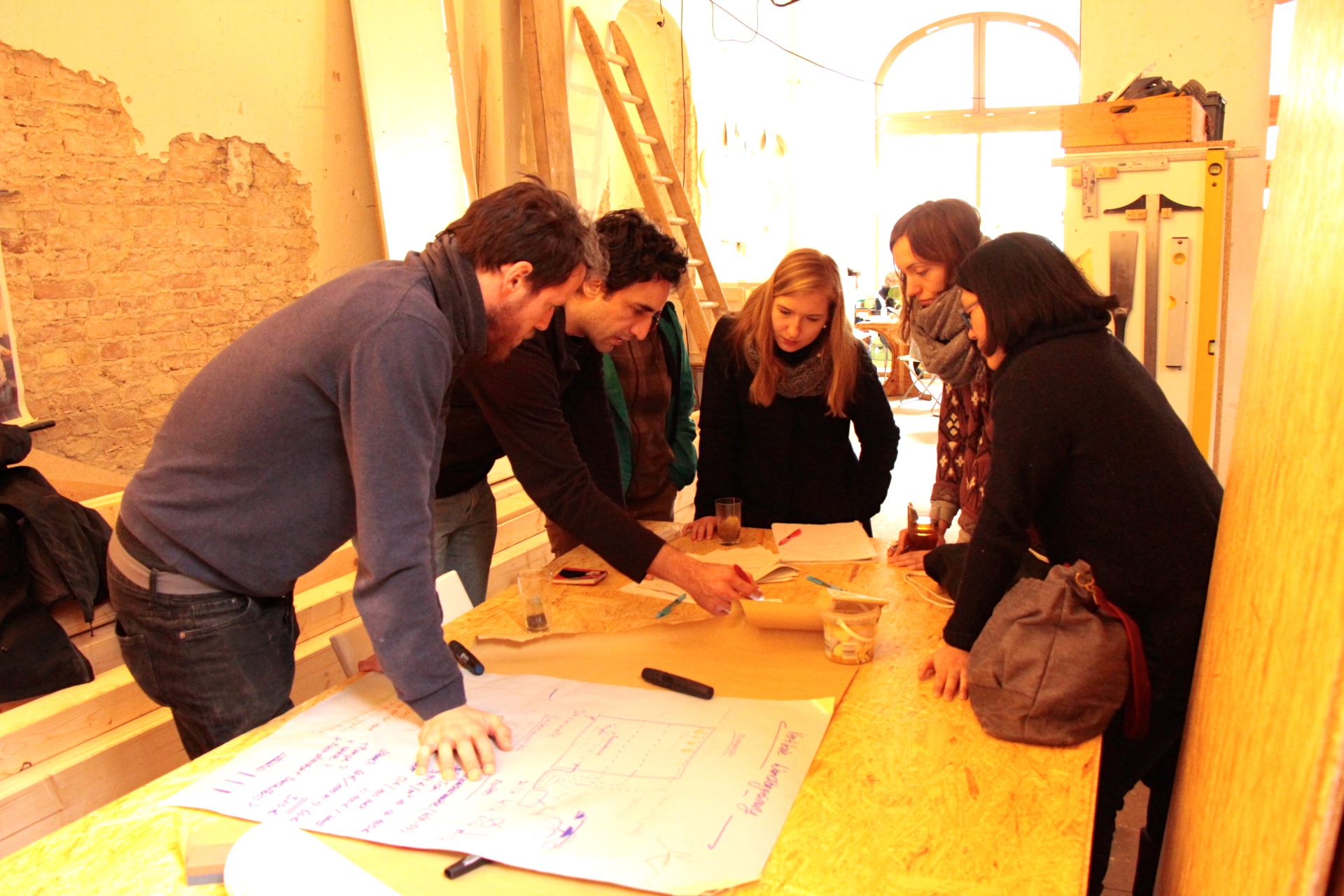
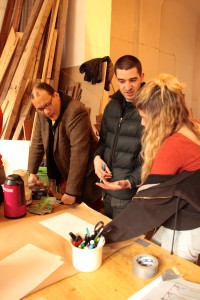
Unser fünftes Treffen war lebhaft und produktiv! An diesem schönen Sonntagnachmittag strahlte die Sonne durch die großen Fenster des Raumes hinein, was viele kreative Ideen und freundliche Gespräche katalysierte.
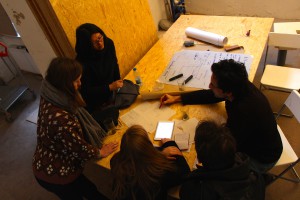
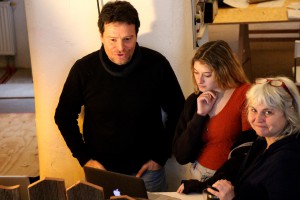
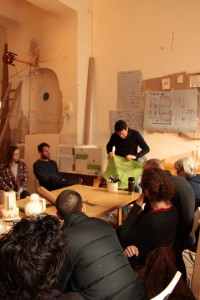
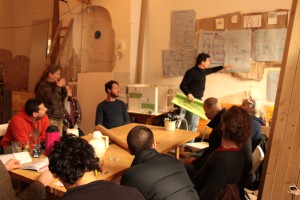
Bei diesem Treffen erhielten wir von jedem Team ein Update über den aktuellen Stand ihrer Prototypen. Der Rest der Gruppe bot konstruktive Rückmeldungen und Verbesserungsvorschläge an. In Gruppenarbeitssitzungen hatte jedes Team die Möglichkeit die nächsten Schritte zur Entwicklung ihrer Prototypen zu planen. Hierbei ging es etwa um die Auswertung und Verfeinung ihrer Pläne, die Bestellung von Materialien oder um Treffzeiten zum Bau der Prototypen.
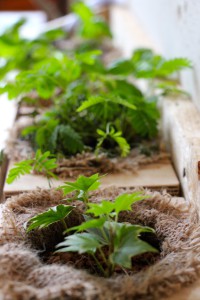
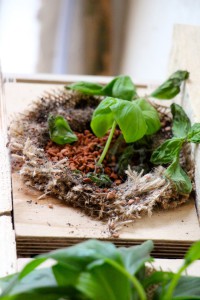
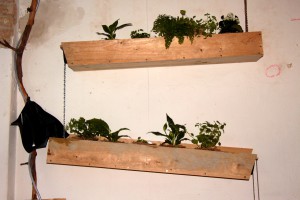
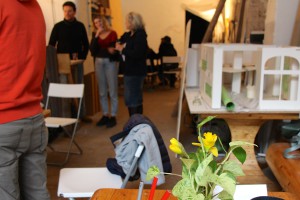
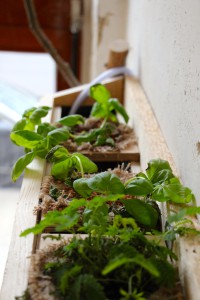
Der Abend begann mit einem Meet-and-Greet, bei dem wir nicht diejenigen begrüßten, die schon fast zu Veteranen der vertikalen Garten Gruppe zählen könnten, sondern auch ein paar frische Gesichter zur Gruppe vorstellten. Danach werteten wir zusammen den ‚Waterfall’ Hydroponik-Prototypen, der vor drei Wochen gebaut wurde, aus. Dabei waren folgende Faktoren zu berücksichtigen: die Haltbarkeit des Jutesack-Materials, ob die Pflanzen ausreichend Wasser erhalten und den Schimmel, der sich in den letzten Tagen an den Pflanzen gebildet hat.
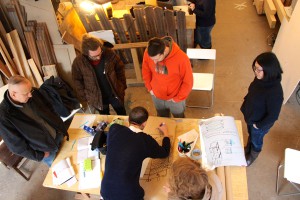
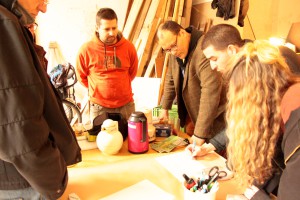
Anschließend teilten wir uns in unseren Teams auf, um unsere eigenen Prototypen weiterzuentwickeln. Am Ende des Treffens wurden die Ergebnisse dieser dynamischen Arbeitssitzung vor dem Rest der Gruppe präsentiert:
Das Team, das sich mit dem ‚Lush Jungle’ Hydroponik-System beschäftigt hatte, verbrachte das Treffen damit, die Wand, an der eine 4m² Wandbegrünung installiert wird, abzumessen. Sie recherchierten im Internet nach Materialien, die sie in den nächsten Wochen benötigen, um einen 1x4m Prototypen zu bauen. Nächste Woche treffen sie sich um die Bauarbeiten zu beginnen.
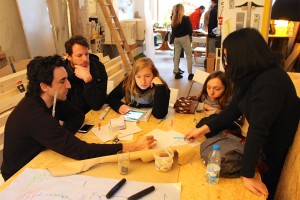
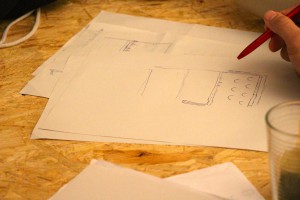
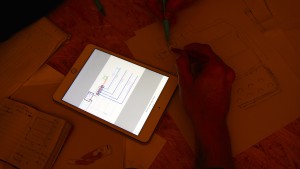
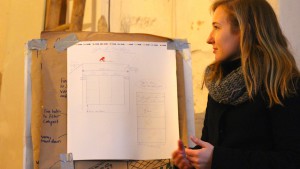
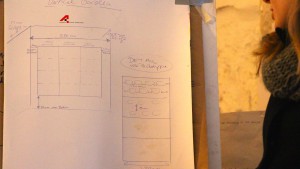
Der nächste Schritt für die ‚Tiny Aquaponics’-Gruppe war, ihren funktionierenden Prototypen zu vergrößern. Bei diesem Treffen einigten sie sich, ein größeres Aquarium anzuschaffen. Sie werden Löcher in die Glasabdeckung des Aquariums schneiden, um die Hydroponik-Pflanzenbeutel (Pflanzen ohne Erde) zu befestigen. In den nächsten Wochen experimentieren sie weiter, um die optimalen Pflanzen für dieses System zu finden. Letztendlich wird dieses System als langes, schmales Aquarium unter dem Fenster vorne im Raum installiert.
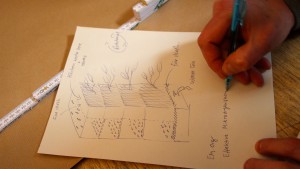
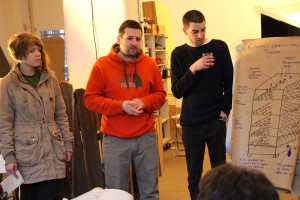
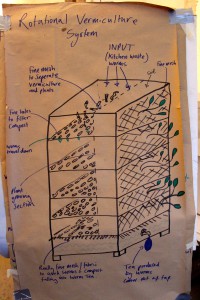
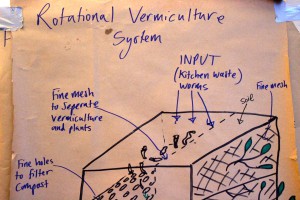
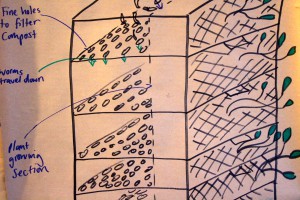
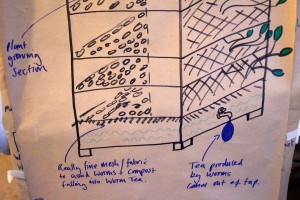
Das letzte Team führte ihre spannende Idee, ein möglichst wirksames Bepflanzungssystem mit Erde zu bauen, fort. Sie trafen die Entscheidung, ein ‚Modular Rotational Vermiculture’-System zu prototypen. Das Grundprinzip dahinter ist, dass Würmer in diese mit Erde gefüllten Kisten dazu verwendet werden, um Küchenabfälle in einen nährstoffreichen Dünger aufzuspalten. Dieser Wurmkompost könnte dann dazu dienen, andere vertikale Gärten im Raum zu düngen.
k.djvbk;jdbv;zdj[:en]At our fifth meeting, we continued evaluating and developing on all prototypes. Our 6th meeting will be on Sunday 20th March from 17:00 – 20:00 in the Baumhaus. The aim is for each team to present their prototype to the rest of the group at this next meeting. So, over the next couple of weeks, all teams will be gathering building materials and organising work sessions to continue building their prototypes.
28-02-2016 – Vertical Garden and Permaculture Planning Meeting #5
Our fifth meeting was lively and productive! On this lovely Sunday afternoon, the sun shone in through the vast windows of the Baumhaus space, catalysing inspired ideas and friendly conversation.
At this meeting we heard updates from all teams on the progression of their prototypes. The rest of the group offered constructive feedback on how each could be improved upon further. In group work sessions, each team used the opportunity to plan the next steps in the development of their prototype, whether this be evaluating and refining their plan, ordering materials or organising a time to come by the space and build!
During the Meet and Greet at the start of the session we welcomed back many, who were by now veterans of our Vertical Garden project, and also introduced a few fresh faces to the group. Together, we then reviewed and evaluated how the ‘Waterfall’ hydroponic prototype, built 3 weeks ago, was running. Factors to consider were the durability of the burlap sack material as the plant pouches and whether the plants were receiving a sufficient supply of water. We also addressed some mould that started developing on a few plants.
Next, each team split into their working groups to evolve and build upon their own prototypes. At the end of the meeting, the results of these dynamic work sessions were shared with the rest of the group:
The ‘Lush Jungle’ hydroponic system had spent the meeting acquiring measurements of the wall on which they would install their 4m² living wall. They researched online and sourced the materials they needed to build a prototype measuring 1x4m over the next few weeks. They have also scheduled a meeting for next week to start building!
Next up for the ‘Tiny Aquaponics’ team, was to enlarge their already functioning prototype. In this meeting, they planned to obtain a larger fish tank and cut a hole in the glass cover to hold a hydroponic plant pot (plant with no soil). They will be experimenting to find the optimum plants for their shrimp system. This system will eventually be installed as a long narrow tank in one of the front windows of the space.
The last team continued to develop an exciting plan for how to build the most efficient soil system. They have decided to prototype a ‘Modular Rotational Vermiculture’ system. The basic principle is that worms are incorporated into a system of soil-filled boxes piled on top of each other. These worms break down kitchen waste into a useable and highly nutritious mulch-tea. This could then be used as a natural fertiliser for other vertical gardens in the space.
k.djvbk;jdbv;zdj
[:]